


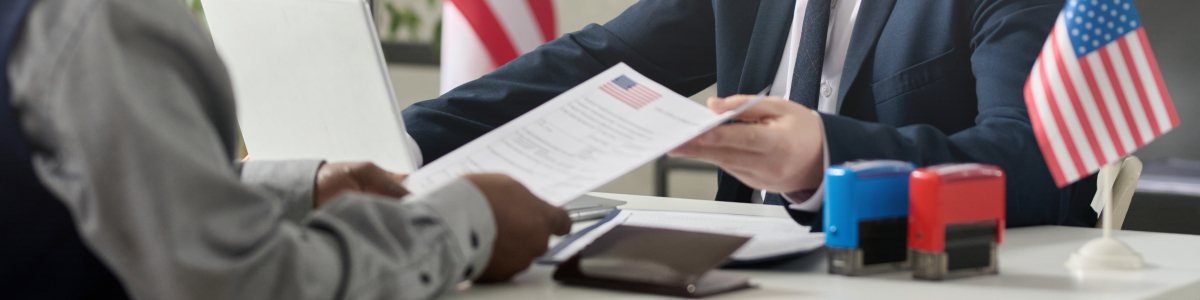
A significant shift in US immigration policy has just been implemented, directly impacting a wide range of nonimmigrant visa applicants. As of early September 2025, the US Department of State has largely eliminated the practice of “third country” visa processing and has also significantly curtailed interview waiver eligibility. These changes are poised to create new challenges and extend timelines for current and prospective holders of popular visa categories, including B-1/B-2 visitor, F-1/F-2 student, J-1/J-2 exchange visitor, H-1B specialty occupation, L-1/L-2 intracompany transferee, and K-1/K-2 fiancé(e) visas.
In a move that reverberates through the global mobility landscape, the Department of State now requires most nonimmigrant visa applicants to schedule their visa interviews in their country of nationality or legal residence. This policy, which took effect around September 6, 2025, effectively ends the common and often necessary practice of “third-country stamping,” where individuals would travel to a country other than their own to secure a visa appointment, frequently to bypass extensive backlogs at US consulates in their home nation.
This new restriction is compounded by another recent policy change that came into effect on September 2, 2025: the broad elimination of nonimmigrant visa interview waivers. Previously, certain applicants, such as children under 14, seniors over 79, and some individuals renewing visas, could often have the in-person interview requirement waived. Now, most will be required to attend an in-person interview, further increasing the demand for limited appointment slots at US embassies and consulates worldwide.
What This Means for Visa Applicants
For those seeking to work, study, or travel to the United States, these procedural changes introduce several critical considerations:
- Longer Wait Times: The end of third-country processing will concentrate the volume of visa applications in each respective country. This is expected to exacerbate already lengthy wait times for visa appointments in high-demand locations, such as India.
- Reduced Flexibility: Applicants will no longer have the option to seek out a US consulate in a different country with shorter wait times. This lack of flexibility could delay travel plans, employment start dates, and academic schedules.
- Increased Planning and Potential Costs: Individuals and their sponsors will need to factor in potentially much longer lead times for visa acquisition. For some, this may also mean additional travel and accommodation costs within their home country to attend an interview at a US consulate, which may be located far from their residence.
- Impact on Renewals and Status Changes: Even those already in the US on a valid visa will be affected when they need to travel internationally and require a new visa stamp to re-enter. They will now be required to return to their home country for their visa interview.
Who is Affected?
This policy shift has a broad impact across numerous visa categories:
- B-1/B-2 Visitors: Tourists and business travelers will need to apply for visas in their home country, potentially disrupting spontaneous or urgent travel plans.
- F-1/F-2 Students and Dependents: International students may face delays in obtaining their visas, which could impact their ability to start their academic programs on time.
- J-1/J-2 Exchange Visitors: Participants in exchange programs will also need to navigate the new interview requirements and potential backlogs in their home countries.
- H-1B and L-1/L-2 Workers and Families: This is a significant development for companies that employ foreign nationals. The inability to process visas in a third country could delay the start dates for new hires and complicate international travel for existing employees who need to renew their visas.
- K-1/K-2 Fiancé(e)s: While K visas are immigrant-intent, the nonimmigrant visa processing changes at consulates will likely affect their processing timelines as well.
In light of these changes, it is crucial for all current and prospective visa holders to plan well in advance for any international travel that may require a new visa application. Proactively checking the visa appointment wait times at the relevant US embassy or consulate in your home country is now more important than ever. Applicants should anticipate a more rigid and potentially prolonged visa application process.